
When watering the flowers this morning, I came across a dead bird.
I must have gasped, and whispered something stupid, But I definitely stared and stood. The only thing more frozen than me was the crumpled bird in the gravel.
I knew right away I wanted to bury him. I knew where I wanted to bury him, and looking to my left a few yards I saw a shovel I could bury him with. I was thinking about taking the little body to a place under a tree, but i had flowers to water–
I didn’t really have a good excuse. I grabbed the shovel.
There are two gates to cross, and doors to open to get into the back field. I chose the back field because it seems like a good spot to be buried, and also because I realize I’m carrying a wet dead bird in a paper bag, and it’s a moment I’d rather not share with anyone else. There’s a feeling of ownership in these proceedings.
The field is still clinging with dew, which clings to me. My sketchers are soaked through to my dollar store socks by the time I make it to the row of pines.
I find a bare spot near the tree which is near a fence. Behind the fence stand the yaks, which I hadn’t expected. They blow their flat noses and shake their heads in a way that tell me they weren’t expecting me either.
I know right away that the beautiful spot in the back meadow is going to break the shovel, or maybe just break me. Years of healthy grass, goldenrod, daisies, briars, and uninterrupted flora chaos has caused the soil to be sucked of moisture, forming a hearty topsoil of rock-like roots. It’s the sort of wildness that gives the middle finger to grave-digging romantics like me.
The thought crosses my mind to find another place, or to give up the project entirely; the thought crosses my mind that the little dead bird doesn’t give a damn about where he’s buried. I begin digging.
While I dig, Mary Oliver’s poem swims forward from the back of my mind. There’s a poem that nags at me while I sweat. I look it up later.
After Reading Lucretius, I Go To The Pond

The Slippery green frog
that went to his death
in the heron's pink throat
was my small brother,

and the heron
with the white plumes
like a crown on his head
who is washing now his great sword-beak
in the shining pond
is my tall thin brother.

My heart dresses in black
and dances.
The little dead bird is green. I open the bag and wonder what it would be like to live your whole life fighting to survive, struggling to find the calories to stay huddled in the branches, to take on the open sky every day without the promise of a tomorrow. A life that was earned every day of your life in backbreaking determination, without the promise of warm place to live out your weaker days, a life that has the guarantee of dropping to the ground and being used as fertilizer. A life that ends by being scooped up by a giant monster and stuffed in a wet sack. I open the paper bag.
He is green like moss, white speckled and mousy brown. I make a cushion out of the paper towel I used to pick him up, and wonder him to slide him out of without touching him and getting a billion bird diseases. This is the reality of the situation– I love the bird, I’m afraid of the bird. I lay him on the cushion and try to re-arrange him in a way I hope he’d appreciate if he were alive. When I put him down he raises his head to look at me. I know this is the normal movement of a machine-like body of sinews, cogs, and joints but it feels like he’s alive and watching me. He’s just a thing now, and elegant machine that’s still processing rigamortis, but it’s so smooth the way he sits up to stare. He raises his head as if to ask me why the hell I’m burning a dead bird in the backyard at 8:00 in the morning. I think it’s something I would have done instinctively as a very small child. I try and tell him this. His eye is a little caved in, but wide open.
I feel that singing, praying, or reciting a poem that I only really half know would be facetious at this point. So I stare at the eye and make myself open.
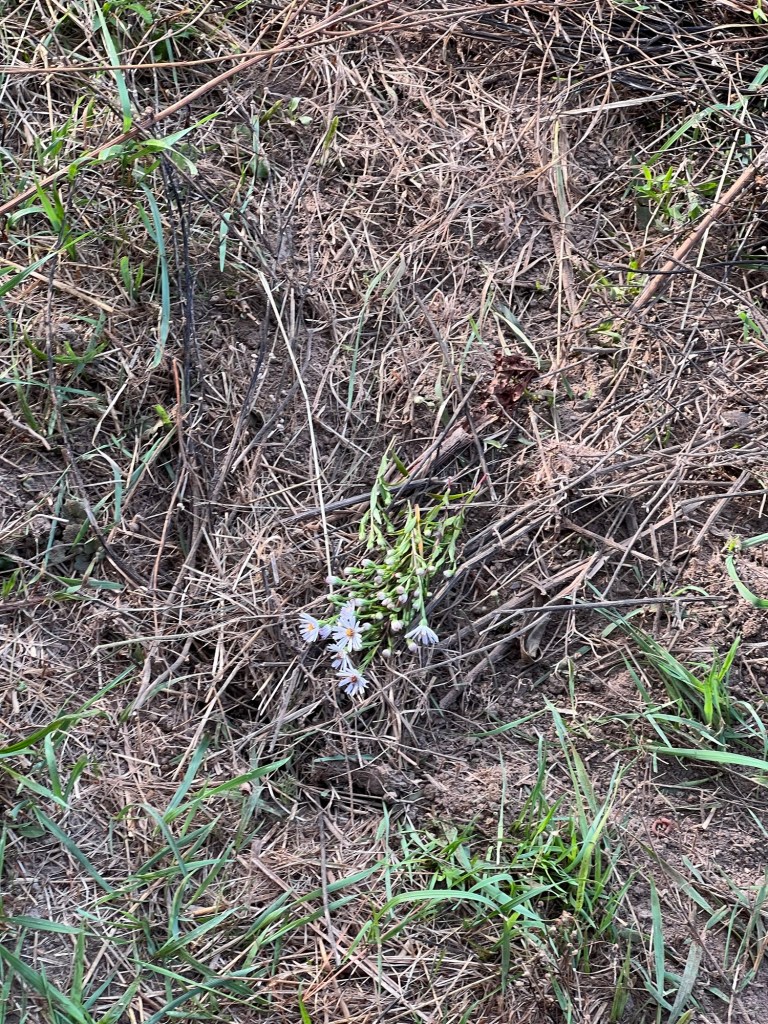
I bury him in the soft earth. My shovel ground out a place for him 6 inches deep, and the earth layered over the twisted body has been softened to a fine powder. I go to leave and remember flowers– this is probably the only time the bird will get a gift.
I did not bury him well. When it’s all arranged I try not to linger; i will not visit him for fear of a fox or a weasel digging him up. But it’s the same field where the Queen Anne’s Lace will spring up next year, and where the donkey will be let out to run its circles across fresh grass.
The worst part of this is that the whole time I am thinking “what a wonderful piece this would make– I have to write some of this down…”
Being a writer makes me a person that notices things. It also means I can never just let a moment be. I can hope that the little bird would be flattered that someone took the time to write about him. This is the closest thing to an obituary that a wild thing gets.
 The Wastepaper Basket
Leave a comment