It was hard to feel like american wasn’t plastered on my face like a shipping label. I was a little white girl in a little white town, but I had an excuse to feel different. I jumped on that excuse– and then it jumped on me. It was hard to shake for a very long time. This was how I learned the art of being invisible.
Summer in Wales is something that will forever be woven into my mind. Summer used to mean Florida beaches, hot missouri creekwater and the 4th of july fireworks always turning over to shoot at the crowd. Summer was southern humidity, lobster burns without the tan, crammed road trips and sticky ice cream sandwiches. But when I think of Wales, I think of my very first day– of standing at the trains station, my stomach wobbling inside of me, wavering, wondering.
You could be walking into the lions den.
I remember standing outside the red brick of Herford station, my pink suitcase at my side to keep me company. We watched the cabs come and go, the parking lot empty, and the sun begin to set. Sweat had settled into my clothes with ease– they had said it was the hottest day of the year.
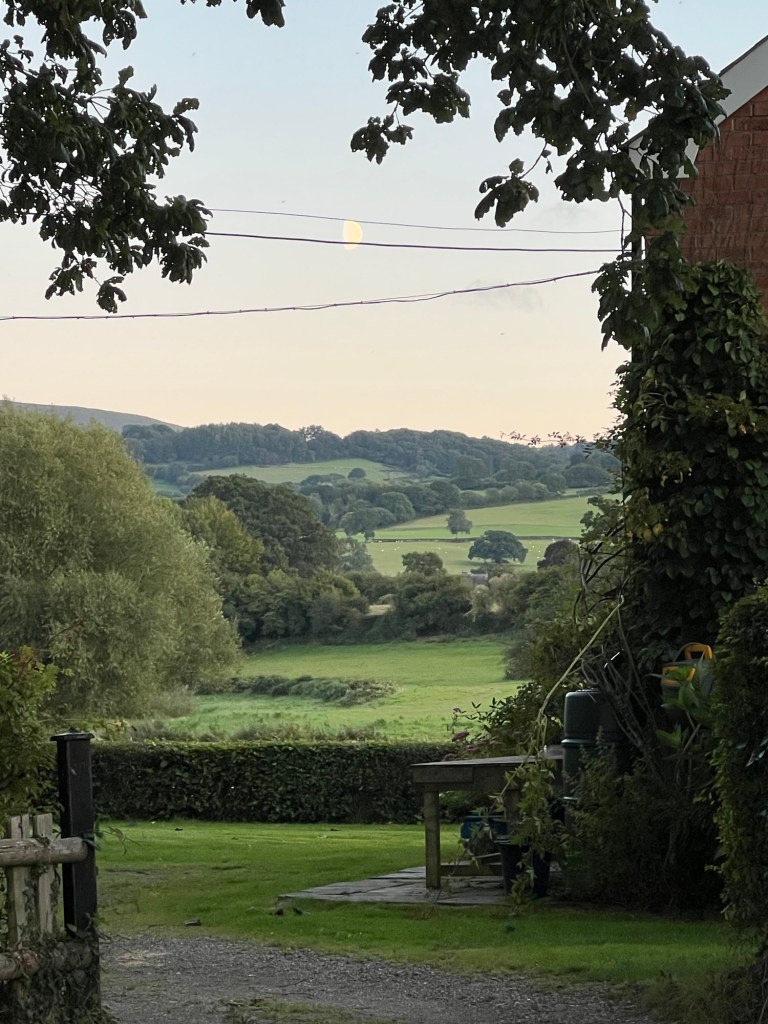
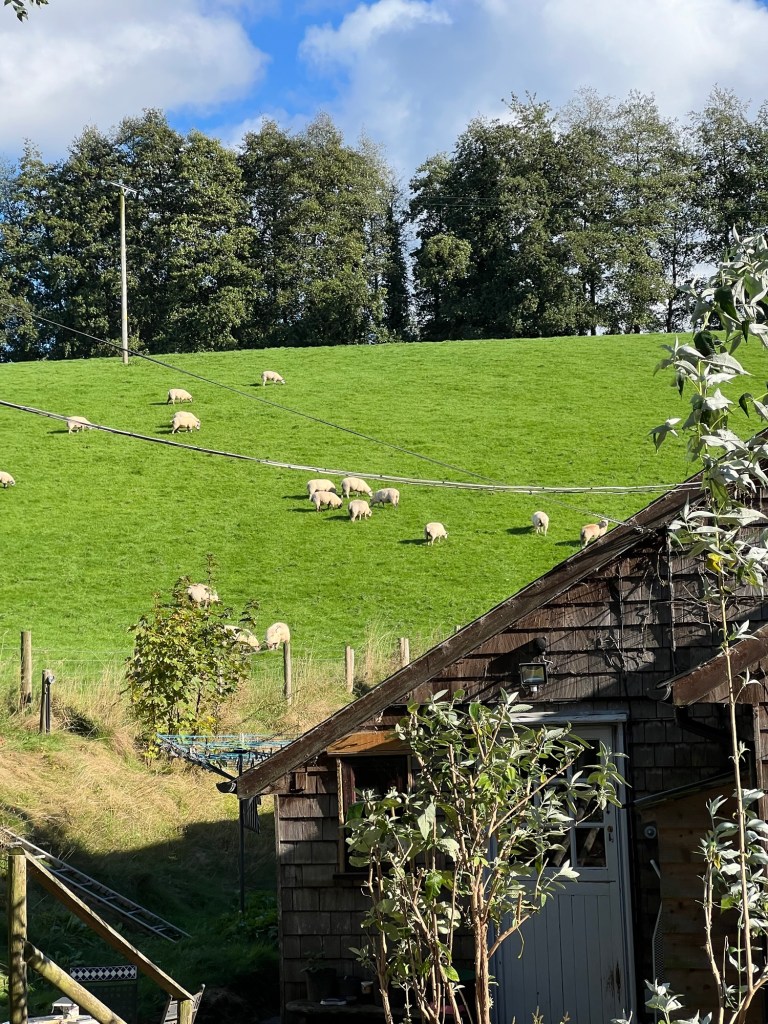
And then there was the car ride– down the green sheep fields, the car window open and pouring in wafts of delicious, sweet smelling twilight air– we were driving to the little house in the countryside, the house they called the bungalow. I remembering sailing in as the darkness had just begun to claim the full, blue-leaved trees, the sunset swallowed up by the wood-titled roof of the house– the bungalow. White gravel that was beginning to shine in the haze– chicken in the yard, small fluffy chicks and the lantern glow of the windows. The door was open, this I could see from the car. I saw the yellow glow of the kitchen, and framed by the doorway, there they were; a mother, a son, and two daughters.
It was the first time that a strange palace had felt like home.
Colin was the father– he took my suitcase for me with ease, and I walked into the house. Alma was the mother– she was sheltering the girls, barefoot, messy haired, and bright eyed. Alma beamed when she saw me– that toothy, encapsulating smile that I would later find was her trademark.
“I’m sorry that you’ve come at a sad time,” she said– her first words to me. “I’m afraid we’ve just had to bury one of the little chicks– it’s sort of grieving here, isn’t it?”
Two pairs of shy eyes were staring at me from the comfort of their mother’s shadow. Tanned faces, skinny elementary aged wild-girls with different shades of blue eyes, and different shades of blonde hair. Tora and Gilly.
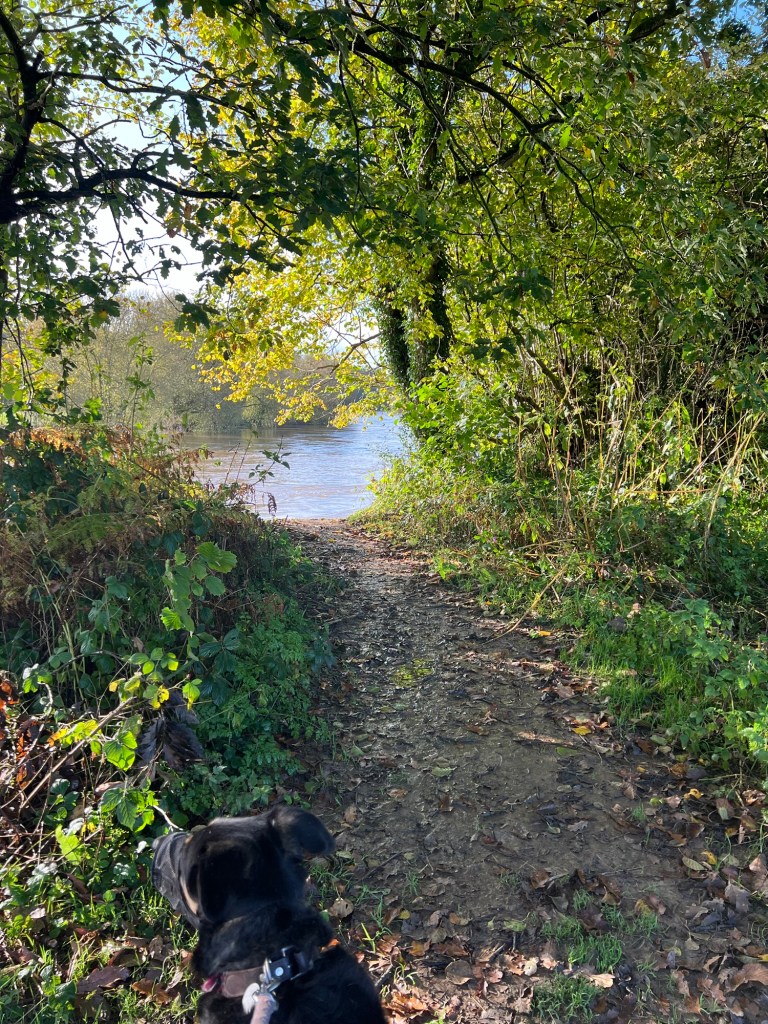
Wales had me in the palm of its hand in the first few hours. The next morning was silver-dewed, fresh and breezy and crisp. They kept the bungalow well-aired– most of the windows were always open, a fact that became obvious in the severe when winter arrived. The Norstroms were a sunny, wild, well to do family, running barefoot and swimming naked. I saw Alma’s breasts before I learned her last name– that was my second day, when they took me to the river behind the house. Not just any river– the great Wye river. The Norstrom’s bungalow was only a short walk through the woods to get to the Wye, and I spent a lot of my time walking up and down its banks.
I fell into routine quickly– the first routine of mine I could say I really, truly enjoyed. I was there to take care of the children, entertain them after school, give a hand during breakfast, tidy the house while they were away. The mornings before they woke were some of the happiest mornings I had ever known. Mary Oliver’s “Devotions” was my morning companion, along with the book of psalms and a cup of black coffee. Every day I rose early, taking the poetry, the coffee, and a journal to face the great bay window. The Norstrom’s lived in paradise– the largest sunrises could be seen from that window, breaking over the wild forest and the never-ending rolling hills.
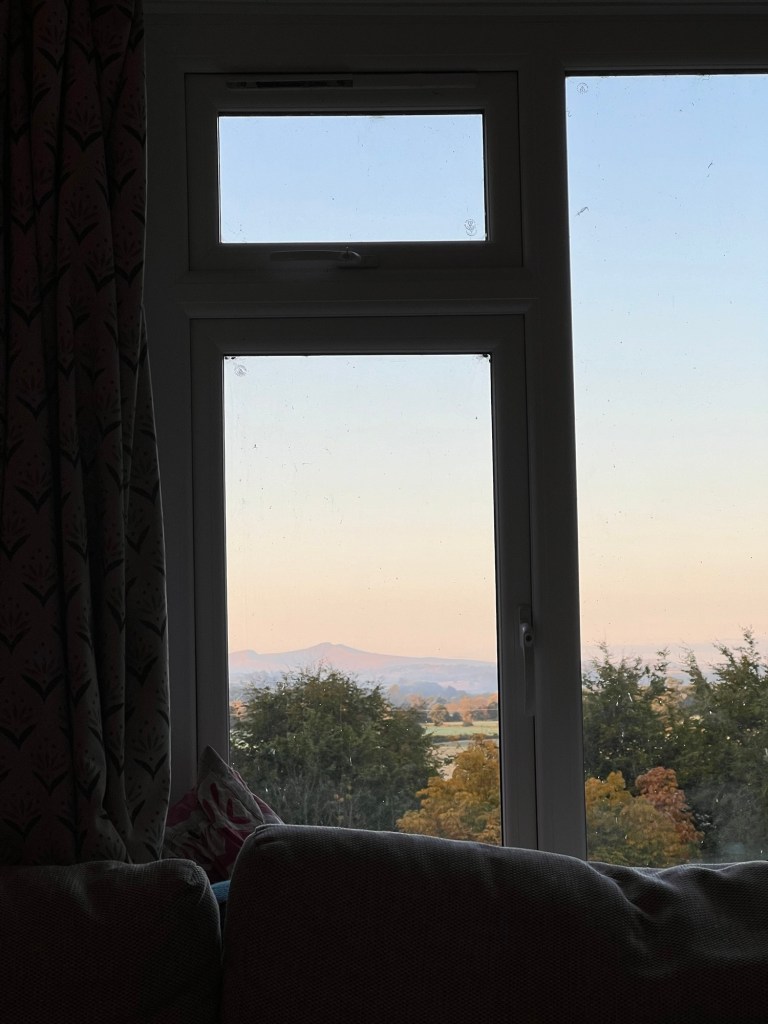
I even had a favorite chair– until the day Alma broke it to me that for years that same chair had been the cat’s favorite. In her Alma way, she told me as if breaking horrific news– her face turned down and apologetic, as if I were being gently let go of a job. And then, in the other Alma way, she made a new rule, light and crisp and businesslike, but not to be mistaken for a request. If the cat was sitting in the chair first, I was NOT allowed to shoo it away. But if it is empty, if I MUST I could sit in the chair. I stopped sitting in the chair after that. That’s when the third Alma-ism kicked in– noncommittal yet agonizing regret. She wondered aloud if she had been unfair telling me to not sit in the chair– Alma wondered a lot of things aloud.
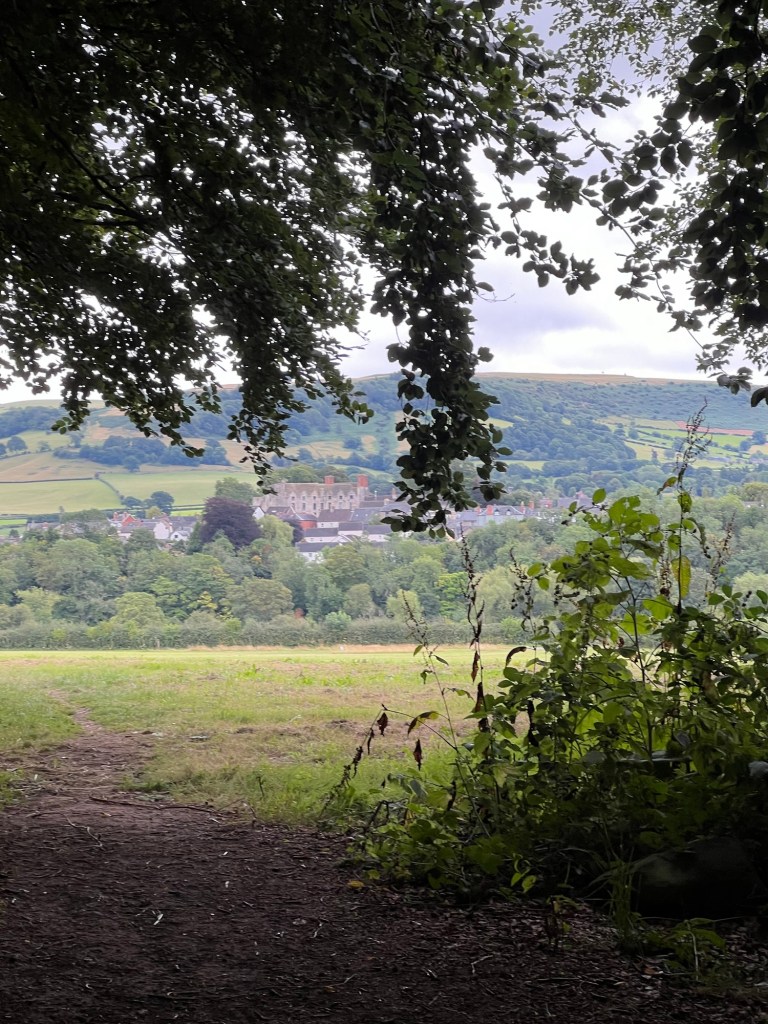
On my weekends off, I went to the village. Sometimes I would call my mother just to show her the walk– stepping out onto the pavement felt like standing at the top of a great, green rollercoaster– the bungalow was tucked away down the gravel drive, hidden by trees and hills. The second you stepped out to the road, it was a dizzying, winding highway of open air.
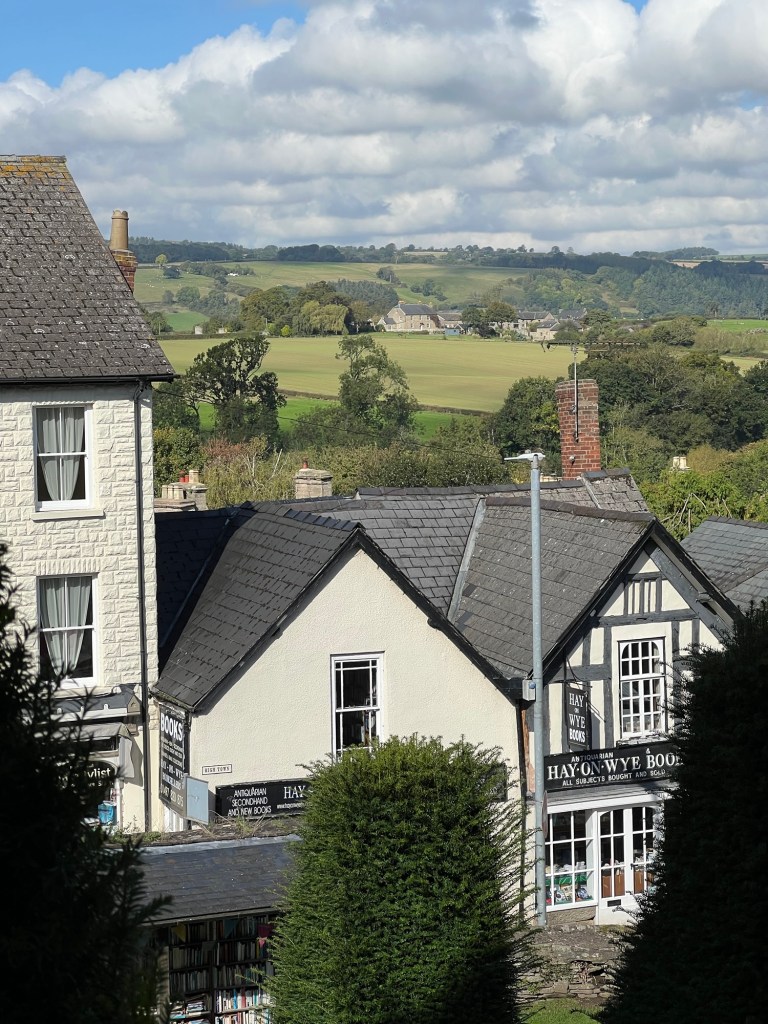
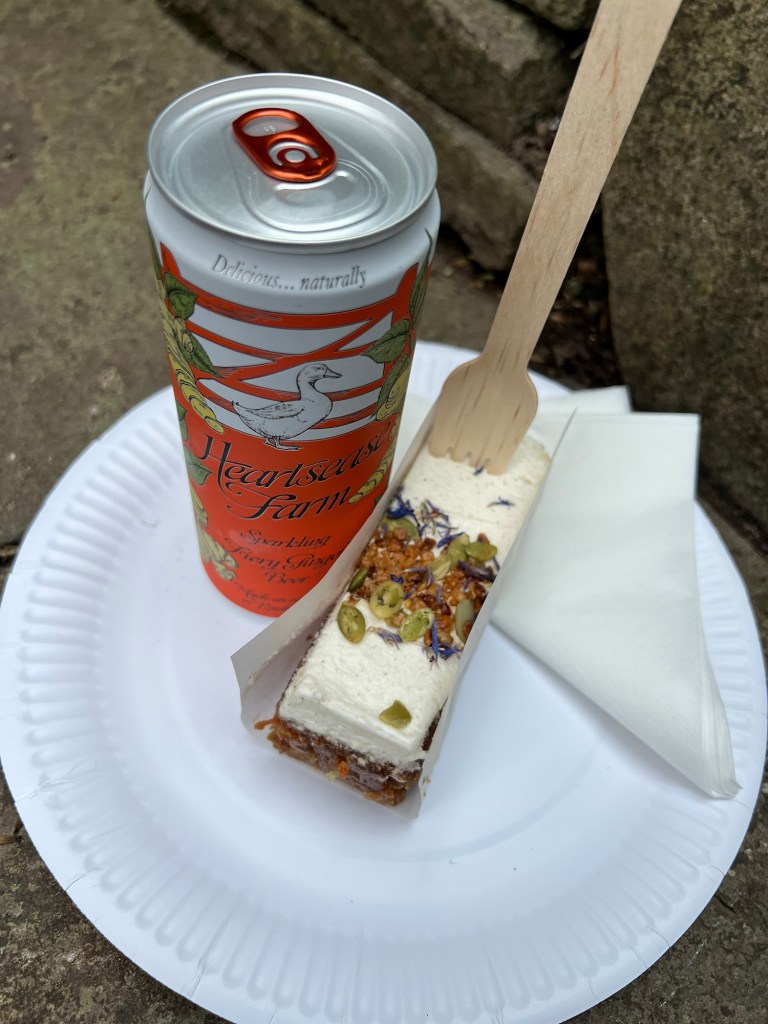
When I tell people about Hay on Wye, I tell them about the great bridge, the huge muddy river, my walk through the woods to get to church. I tell them about the little cafe, a hut of a building called The Bean Box that you reached by walking under the bridge. On my weekends off I would grab a plain but rich latte and a famously dense carrot cake and sit, still and satisfied, under Hay bridge and watch the pigeons hold council above. I was too happy to know what to do with myself.
To ensure that I kept chaste and humble, I attended a church in town every Sunday. It was Peter that found me on my first day there, and Peter that stuck by me for the whole three months I lived in Wales. (a note to the reader– most of the names are changed in my posts, but Peter stays the same. He is too good, whole, and kind a person to try and name him anything else. My other church friends will also be called by their real names) Peter was 93 years old when I met him, and sat in the same end pew of St. Mary’s anglican church every Sunday. He was a little short, almost my height, bald and always wearing glasses. He had lived in Hay forever, telling me stories about playing in the cobbled streets as a boy when the refugee children came to the countryside. One of my favorite Peter memories was when I made him peanut butter cookies and he lit up like a firework. I was used to introducing english friends to the concept, but he grabbed the sweets with familiarity. “When the war was on– when I was little, and we had pocket money, this was all it could buy. They made all sorts of sweets from peanut butter then, to stretch the sugar.”
From the first second I met him, I felt that he would have made an excellent mayor of the village. He spotted my scared, skinny face the second I opened the door, and rose to meet me as if expecting company. Every sunday was the same– grey or tan tweed overcoats, a soft hug and an elegant nod, and the two of us sat together. He invited me to share his empty pew once, and it was over for me. It was almost like finding an island in an eternal rainstorm– I never had a reason to leave his side.
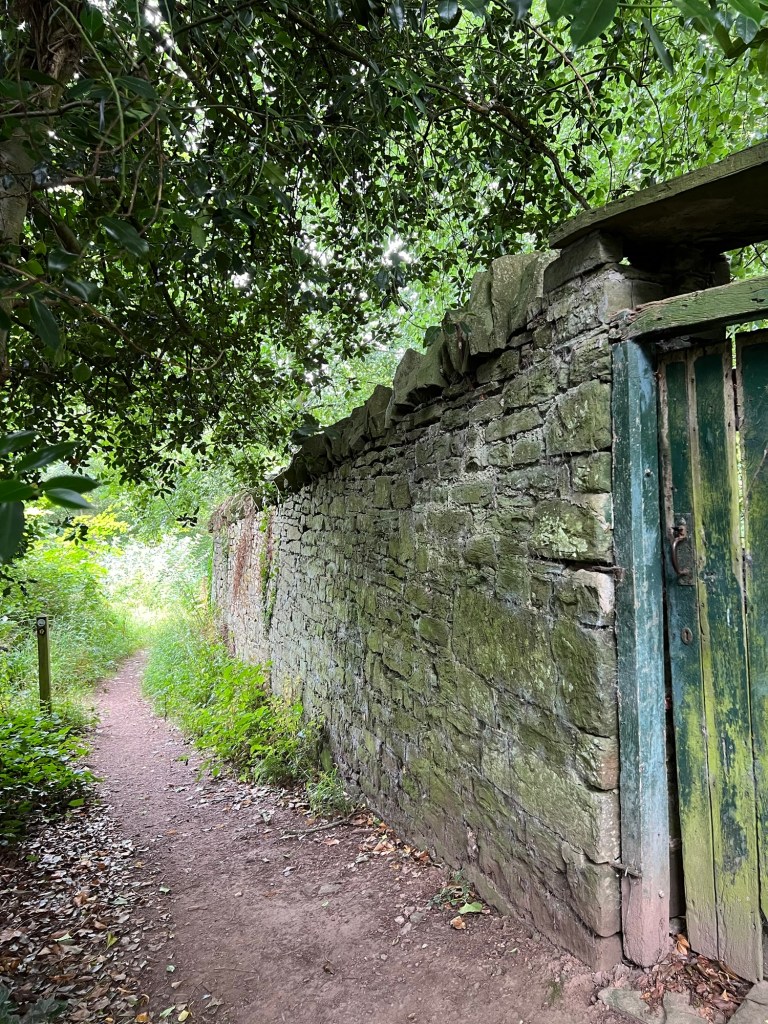
Peter was by far my favorite of the friends I made in Wales. Not that there was such a large tasting menu of society to be found– Hay has an estimated population of about 3-4000, but Peter always said about a quarter of these were the farms outside. The traffic one found in Hay were the tourists– “Hay On Wye, The Town Of Books.” When I came, I had just missed a world-famous festival that the town held every year– my friend Margeret loved to tell me the story of talking with Camilla years before when she came for the festival. Margaret was younger than Peter, at about 73 years old– when the weather began to turn cold, I walked out to meet her at the end of her drive, where she would sail me off to church in her maroon range-rover. It was the neatest, cleanest old car I’d ever seen in my life– turning down the great hill was a thousand times more thrilling in Margaret’s car than on foot. And Mrgaret liked to take me– she was that sort of person. She was shyer than Peter, with a soft Scottish accent and the loveliest large, dark lashes. She lived with her daughter and son in law, in a spacious stone “barn” all her own. Margaret gave me hope for my own future– she seemed to love her son in law as much as anyone in the world. And he loved her– the first time I saw her house, she showed off her unmistakable custom-built shelves, made to hold all her royalist memorabilia. Margaret, a scottish transplant, was staunchly and politely royalist, and extremely pro-camilla. It was Peter’s best way of teasing her– an easy joke, really. Margaret was lovely, always in shined heels and a skirt, her silver hair curled gently around a gentler face. It was hard to imagine her raising her voice about a chiding scold.
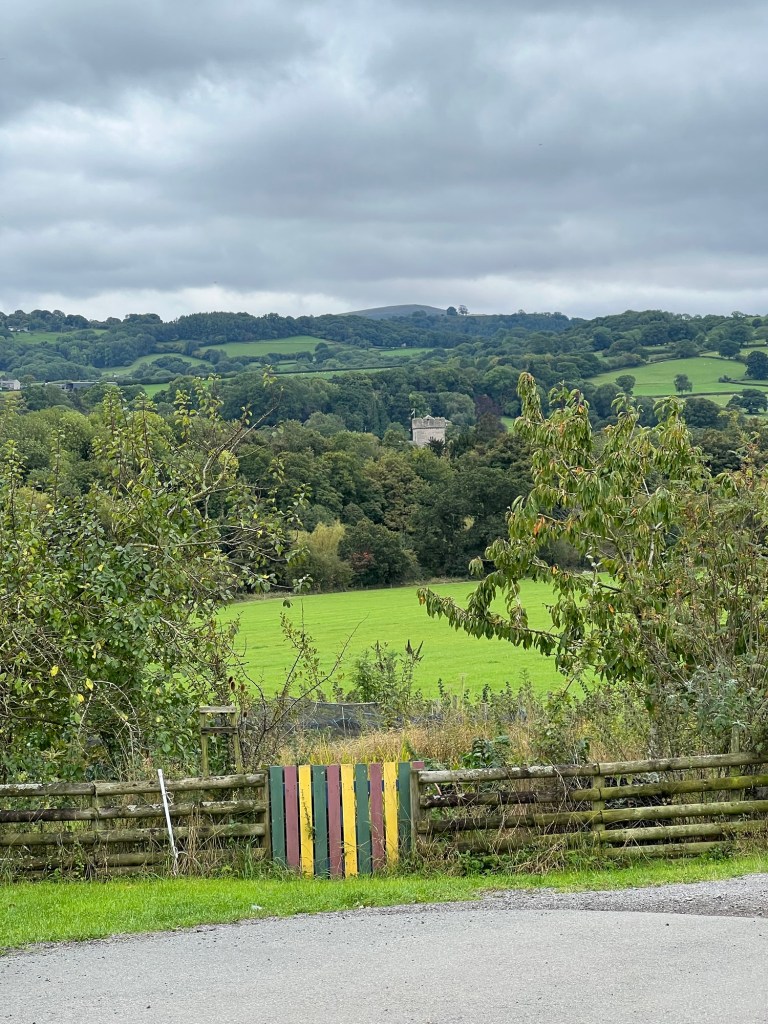
After church we would go to Margaret’s most times, and sit around for drinks and a chat. Peter was always finding some dig about King Charles, and his girlfriend, Irene, was even worse. Irene never went to church, but drove up some weekends to join in the post-church chat. It was always the same thing: we would leave church for Margarets where I had my coffee and Peter had his beer– Margaret always had a white wine, and her friend Lynn would have a tea. Peter always started us up with “-and what did we all think of THAT sermon?” Margaret, composed, was never committed to either side– she took the sermons at singular value, and was sure to give an honest, slightly polite answer. Peter always had something to say, and rarely in praise. He’d talk loudly and proudly, cracking jokes and elbowing me about the stumbled verses or trialing thoughts we had all sat through. That was, of course, until the last guest arrived: Father Edmund, the sermon-giver himself. I credit Peter for his restraint in commenting– he made fun to his hearts content, but was always sure to keep a polite front for the Father.
Lynn, the eldest of our group at 101, was the quietest. I’m not sure she could hear most of our conversations, but was always bright and active, always following along kindly. Lynn lived alone, and on her good days still drove herself back and forth to her small single tenement. I visited Lynn once to interview, an embarrassing artifact of a video that has been locked away these two years. Stepping into Lynn’s house was stepping into her own brain– simple, comfortable, well-loved and touched with that elegant eccentricity. Lynn walked slowly, but rarely used any sort of cane or walker. She was the smallest of the group, thin by nature with her hair always clean and white, like a cloud that was only touching down for a rest. She always had her makeup done, and could be spotted by her razor straight red lipstick. Lynn learned that I wanted to write early on, and gave me three books– Modern Publishing, Magazine Writing, and her own autobiography.
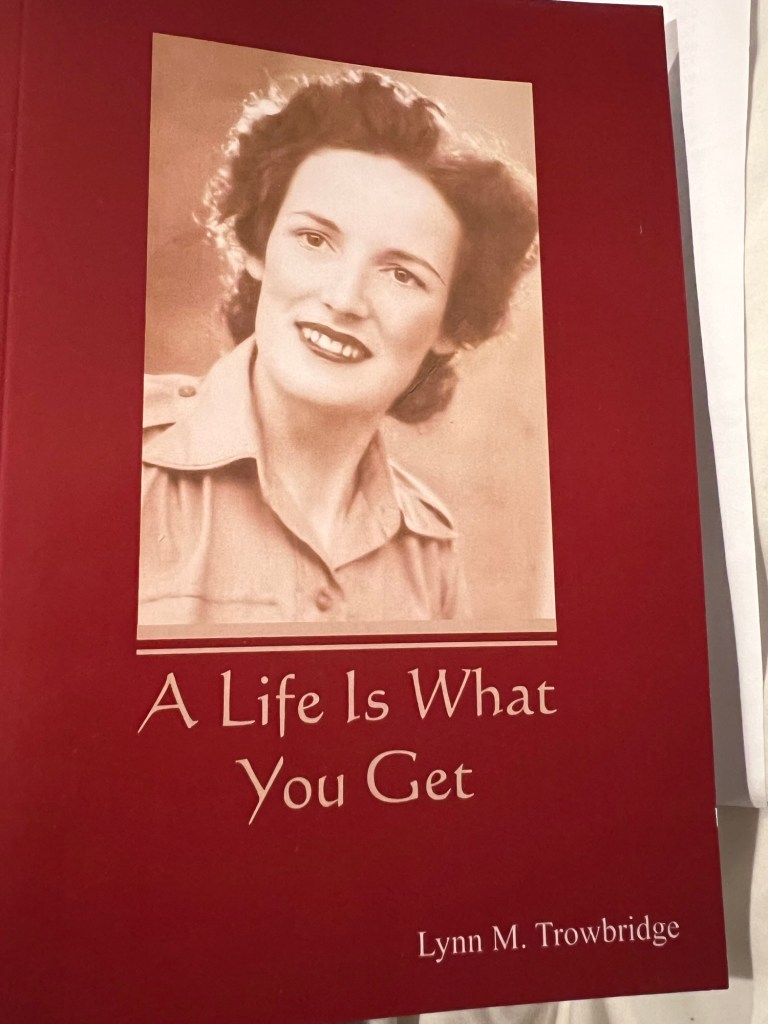
The last time I saw Lynn was in the hospital. I had moved to London months before, and wanted to have one last goodbye before leaving the states forever. It’s a day I think about often– the little things, like missing the last bus out and spending a fortune on a taxi back to the village. Waiting in the cafe and accidentally ordering two servings of teacakes instead of two welshcakes. Or the orange cat that waited with me at the bus-stop, even after I jumped and shouted while it sped past. Lynn wasn’t alone in the hospital– I knew it would be a last goodbye, and her family knew it too– I was embarrassed to turn up, lugging along huge autumn flowers with nothing to out them in, shoved in a room with strangers. But it was nice to know that Lynn wasn’t alone– it was nice to know that they didn’t mind me being there.
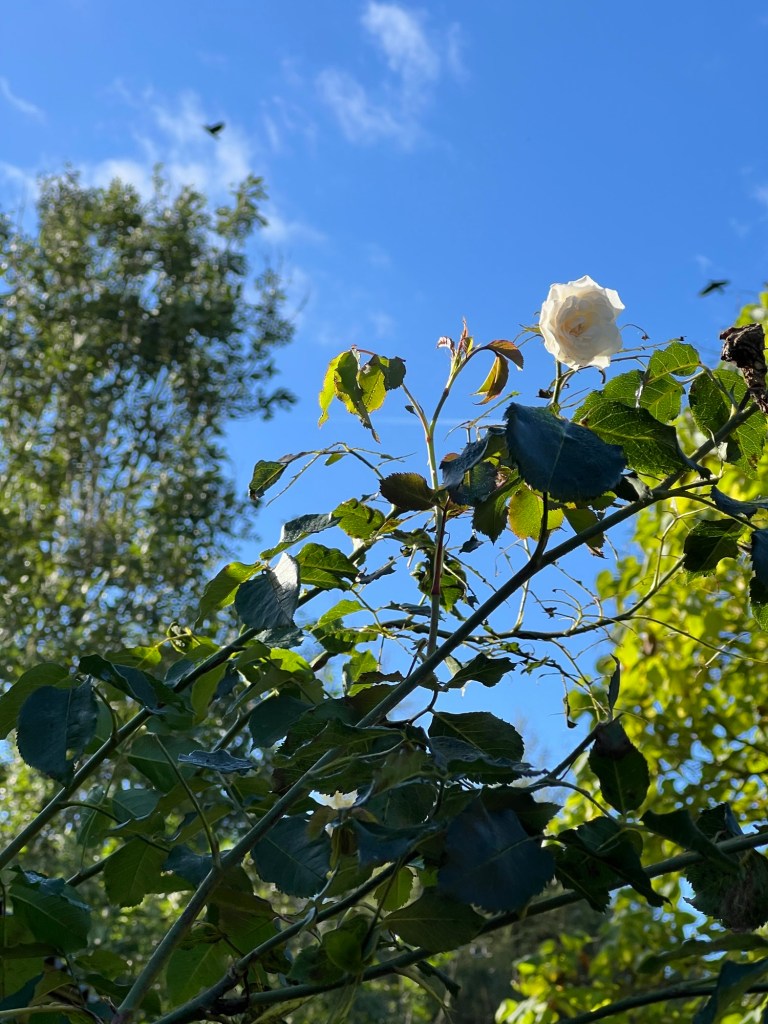
I haven’t heard from my welsh friends for these two years. I wrote the Norstorms after I left, with no reply. Alma missed one birthday, but wished me a happy one last year. I also wrote a letter to be posted, but when I came back nine months later it was still in my parents house, sitting on the cabinet. Today I wrote them again, with a different heart, and a different intention. I don’t know if I’ll hear back– but I know that time meant something important to me.
I wrote Peter a letter before this blog– I worry the reasons that I might not hear back. When someone spends so much time in your head, it’s hard to compute that they might be able to be found anywhere else. I spent so much of my time in Wales watching– maybe I never really existed there at all. Maybe most of my friends are ideas now– the shops I went to probably have different people working there, and the carrot cake recipe could have changed. I had hoped to be more descriptive in my picture of wales, but I release now that these images are so a part of me that it’s hard to give them away– the place that i wrote the most poetry. The place I felt alive for the first time in years. My first home away from home: Wales.
Readers note… would you like to hear more about Wales? Let me know by commenting or email if there are any posts you’d like expanded on. (Or sped through!) Thanks for reading— stay punk rock.


Leave a Reply